

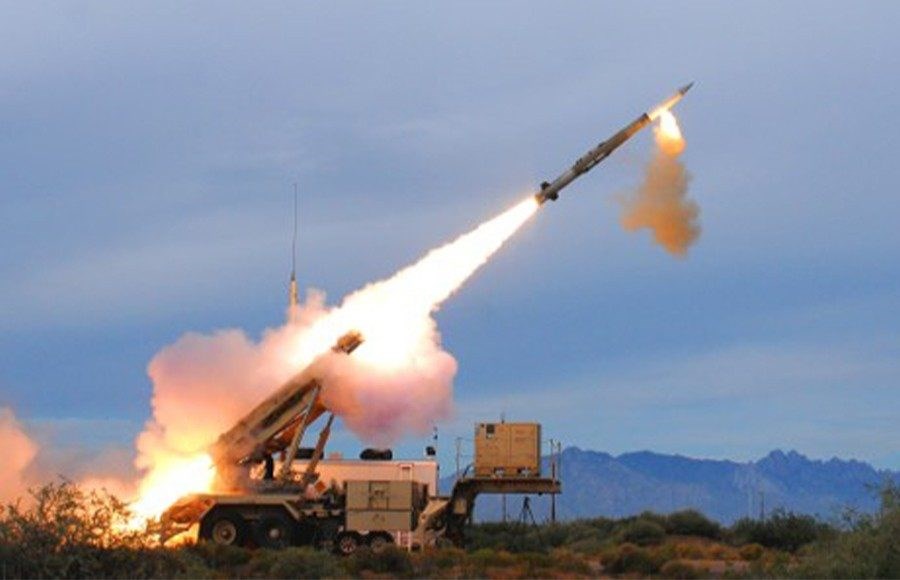
As global threats continue to evolve, the demand for advanced interceptor capabilities is increasing among the United States and its allies. Lockheed Martin says meeting these challenges requires not only advanced technology, but also the ability to produce systems at scale, sustain them globally and support an interoperable defence architecture.
PAC-3 MSE Expands Production
The PAC-3 Missile Segment Enhancement (MSE) is described by Lockheed Martin as a combat-proven interceptor used by the U.S. and allied nations for air and missile defence.
Demand for PAC-3 MSE continues to grow, prompting Lockheed Martin to expand production capacity, strengthen Europe’s industrial base and develop the infrastructure required to keep interceptors available where they are needed.
PAC-3 ACE Offers a Lower-Cost Option
Lockheed Martin has also introduced the PAC-3 Adapted Capability Effector (PAC-3 ACE), a lower-cost interceptor designed to address a range of air and missile threats.
Introduced in July, PAC-3 ACE is designed to provide performance at less than half the cost per unit of PAC-3 MSE, according to Lockheed Martin.
The interceptor is intended to leverage the existing PAC-3 fire-control system, Patriot weapon system and Integrated Battle Command System (IBCS).
The company says PAC-3 ACE is designed to provide allied forces with another option for increasing interceptor capacity while managing cost and production requirements.
Lockheed Martin is developing the programme through collaboration with American and European industry partners and suppliers. The company says this approach will support an interoperable interceptor capability and strengthen transatlantic defence cooperation.
European Partnership and Sustainment
Lockheed Martin highlights international partnerships and sustainment infrastructure as important elements of maintaining air and missile defence readiness.
At the 2026 NATO Summit, the United States, Germany, the Netherlands, Poland and Sweden committed to explore a dedicated PAC-3 Missile Maintenance Facility in Europe.
The proposed facility would bring maintenance and sustainment activities closer to forces operating PAC-3 family missiles, with the aim of supporting interceptor readiness and availability.
The initiative would also contribute to the development of NATO’s integrated air and missile defence ecosystem while strengthening regional sustainment capabilities.
Building Future Air and Missile Defence Capacity
PAC-3 MSE provides the established interceptor capability, while European industrial partnerships and regional sustainment are intended to strengthen the supporting infrastructure.
PAC-3 ACE adds another option focused on affordability and increased interceptor capacity.
Together, Lockheed Martin says these efforts are intended to support a more resilient and connected allied air and missile defence network, while providing the United States and its allies with capabilities designed to address evolving threats.
